Facility Contact:
Facility Description:
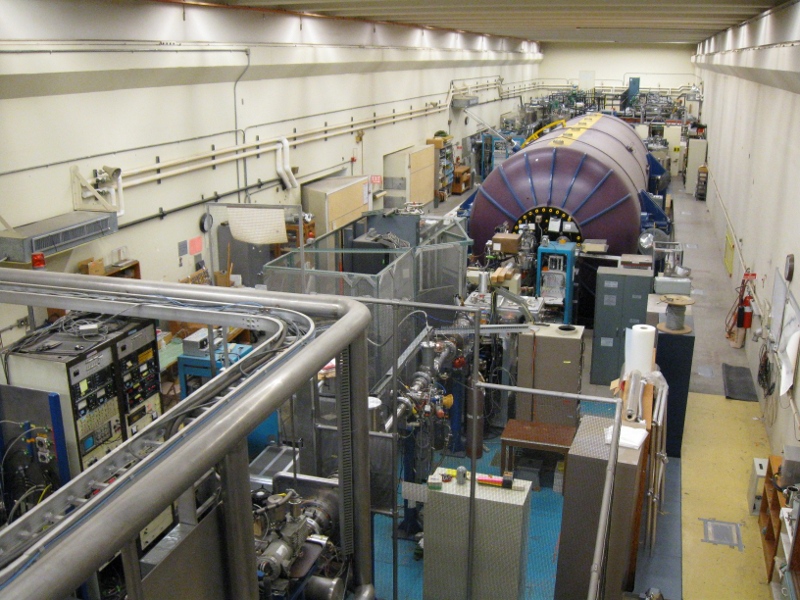
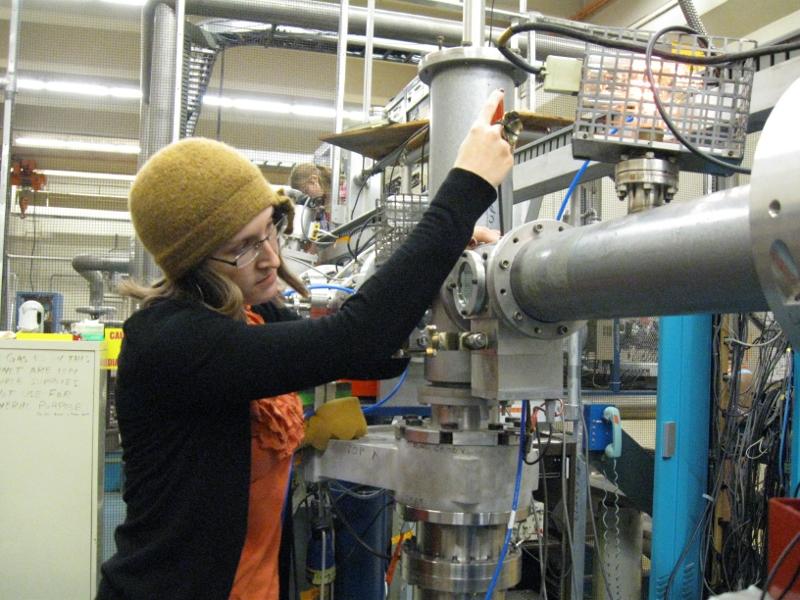
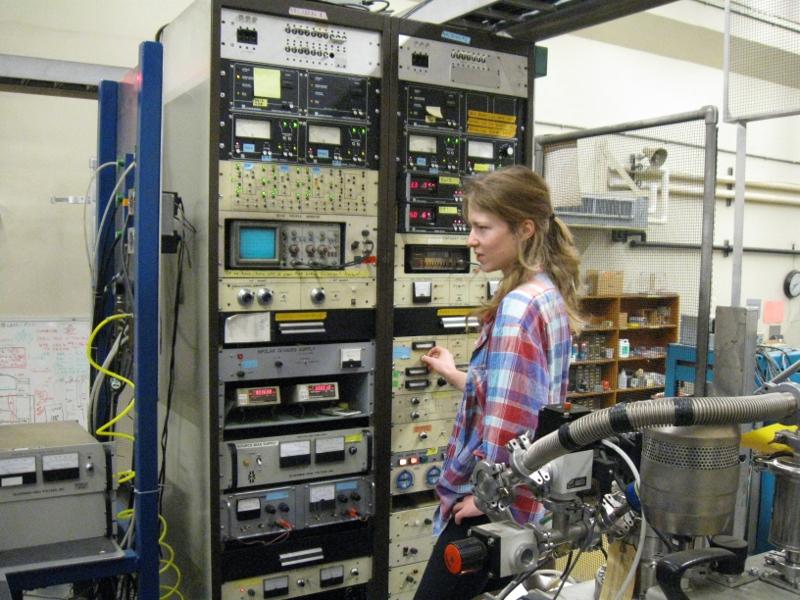
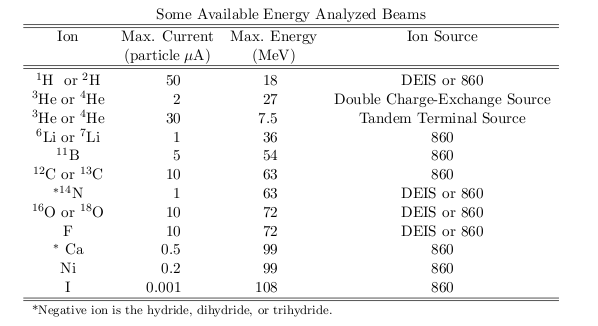
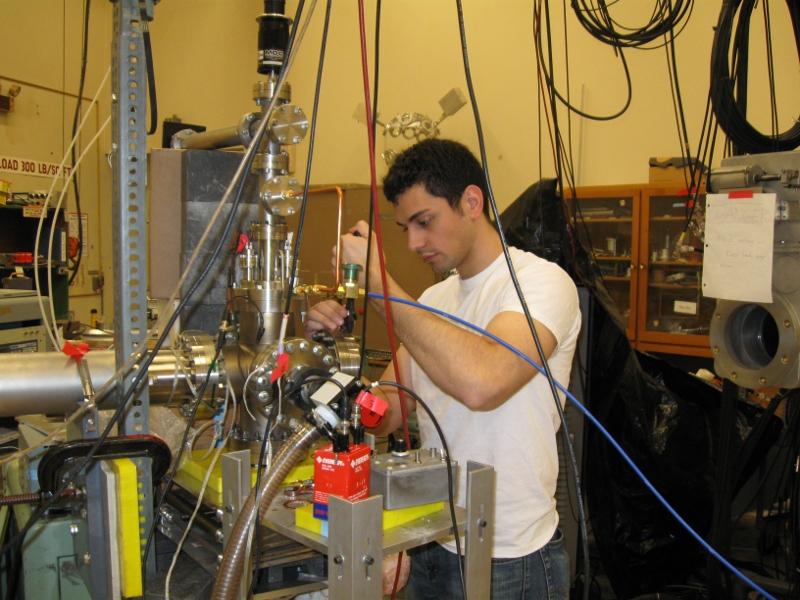
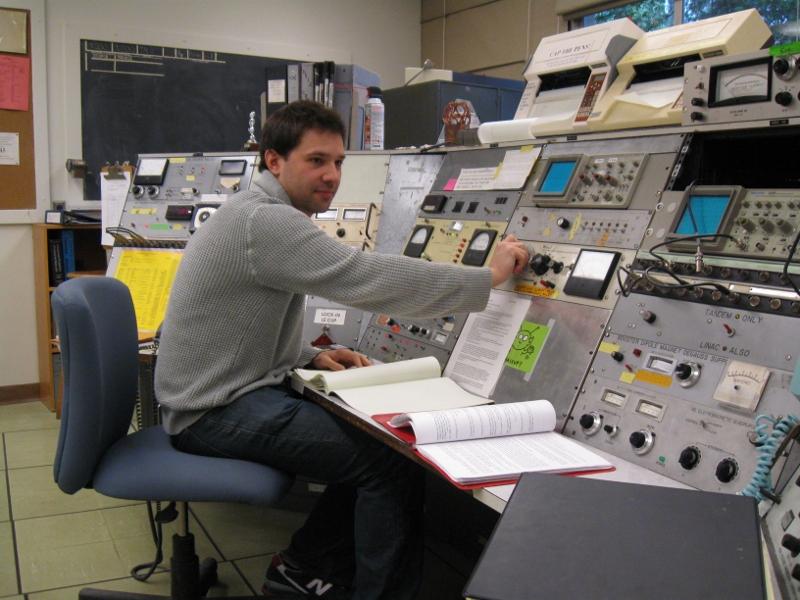
CENPA has a High Voltage Engineering Corporation Model FN tandem Van de Graaff accelerator purchased in 1966 that has been in continuous use performing a wide variety of accelerator based experiments. In 1995 it was adapted to use an (optional) terminal ion source and a non-inclined tube #3, which enables the accelerator to produce high intensity beams of hydrogen and helium isotopes at energies from 100 keV to 7.5 MeV. The accelerator and its associated ion sources are operated and maintained by staff and students at CENPA. The graduate students and undergraduate hourly employees are trained to operate and service the ion sources and the accelerator in the facility. Experiments in nuclear physics and astrophysics for PhD thesis work as well as graduate and undergraduate projects are done annually using the accelerator. Outside users are also welcome and are frequently accommodated by the lab. Please contact us for rates and availability.